
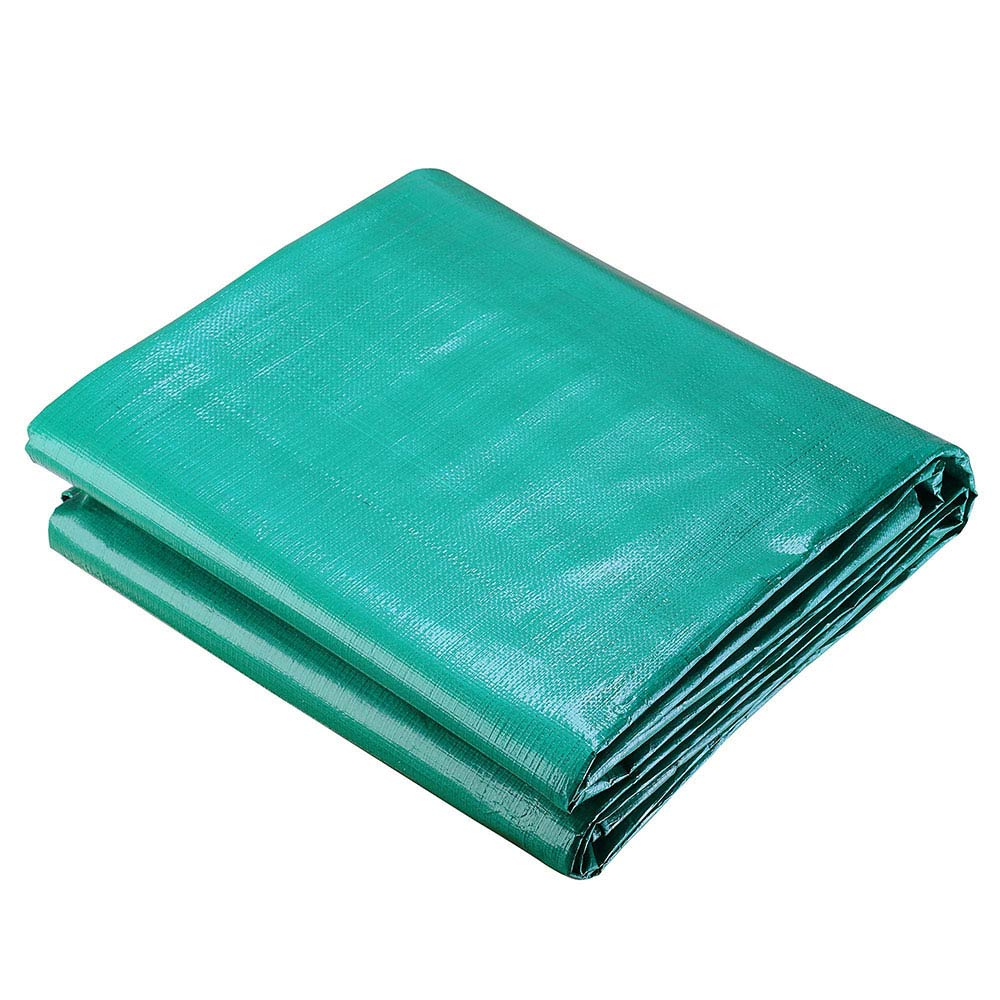
Whether you’re managing a construction site, organizing an outdoor event, or protecting equipment from Dubai’s harsh weather, tarpaulins are an essential solution. They provide reliable protection against intense sunlight, dust, wind, and occasional rain while helping keep materials and workspaces secure.
One common question businesses and individuals face is whether to rent or purchase tarpaulins. The right choice depends on your project duration, budget, storage capacity, and future needs. For short-term projects, renting may be the more practical option, while buying can offer better long-term value for ongoing use.
This guide compares tarpaulin rental vs. purchase in Dubai, helping you determine which option makes the most sense for your project.
Why Tarpaulins Are Essential in Dubai
Dubai’s climate presents unique challenges for construction companies, event organizers, logistics providers, and industrial businesses.
Tarpaulins are commonly used to:
- Protect construction materials from dust and sunlight
- Cover machinery and equipment
- Create temporary shelters
- Provide shade for outdoor work areas
- Cover trucks and cargo
- Protect event setups from weather conditions
- Safeguard agricultural products
High-quality tarpaulins help reduce damage, improve safety, and extend the lifespan of valuable equipment and materials.
Understanding Tarpaulin Rental
Tarpaulin rental allows you to use tarps for a specified period without purchasing them outright. Rental companies typically offer a variety of sizes, materials, and thicknesses to suit different project requirements.
Rental agreements may range from a few days to several months, depending on the project.
Common rental applications include:
- Construction projects
- Outdoor exhibitions
- Temporary warehouses
- Sporting events
- Festival setups
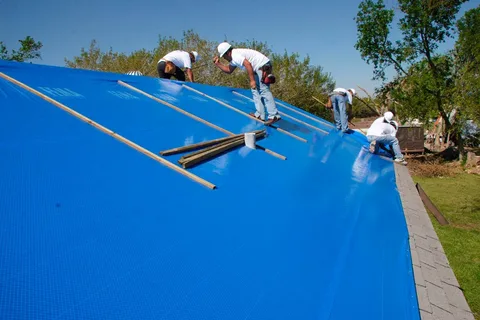
- Emergency weather protection
- Renovation projects
Benefits of Renting Tarpaulins
Lower Upfront Costs
One of the biggest advantages of renting is the reduced initial investment. Instead of purchasing multiple tarpaulins, you only pay for the duration of use.
This is especially beneficial for businesses managing short-term budgets or one-time projects.
No Long-Term Storage
Large tarpaulins require clean, dry storage to prevent damage from moisture, mold, or improper folding.
Rental eliminates the need for:
- Warehouse storage
- Cleaning after use
- Inventory management
Once the project is complete, the tarpaulins are simply returned to the supplier.
Access to Different Sizes
Different projects require different tarp dimensions.
Rental companies typically offer:
- Small equipment covers
- Medium construction sheets
- Large industrial tarpaulins
- Heavy-duty waterproof covers
This flexibility allows you to choose the exact size needed for each project without investing in multiple tarps.
Reduced Maintenance Responsibility
Purchased tarpaulins require regular cleaning and proper storage to maximize their lifespan.
With rentals, maintenance is usually handled by the supplier, saving both time and labor.
Drawbacks of Renting
Although renting has many advantages, there are a few limitations.
Ongoing Rental Costs
For long-term projects, rental fees can accumulate over time and may eventually exceed the purchase price.
Limited Availability
During peak construction seasons or large events in Dubai, certain tarpaulin sizes or specifications may be in high demand.
Booking in advance is often recommended.
Wear and Usage Policies
Rental agreements may include charges for excessive damage beyond normal wear and tear, so it’s important to review the terms before signing.
Understanding Tarpaulin Purchase
Purchasing a tarpaulin means owning it outright for repeated use across multiple projects.
Businesses that frequently require protective covers often find ownership to be a more economical solution over time.
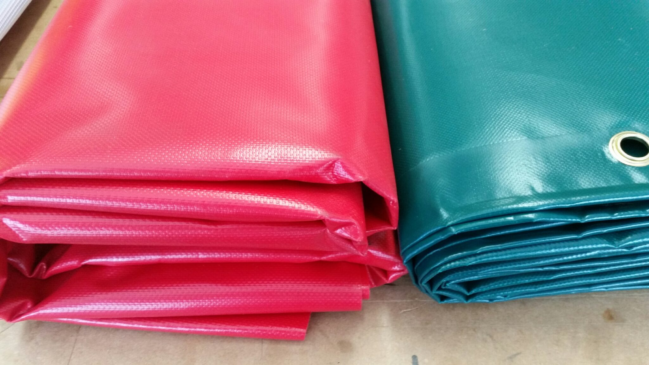
Purchased tarpaulins are available in various materials, including:
- PVC tarpaulin
- Polyethylene (PE)
- Canvas
- Vinyl-coated fabric
- Heavy-duty waterproof materials
Benefits of Buying Tarpaulins
Cost Savings Over Time
If your business regularly uses tarpaulins throughout the year, purchasing can significantly reduce long-term costs.
Instead of paying repeated rental fees, you make a one-time investment.
Immediate Availability
Owned tarpaulins are always available whenever needed.
This is particularly valuable for companies handling emergency site protection or unexpected weather conditions.
Greater Product Choice
Buying allows you to select:
- Custom dimensions
- Specific colors
- UV-resistant coatings
- Fire-retardant materials
- Reinforced edges
- Heavy-duty grommets
These features can improve durability and meet industry-specific requirements.
Long-Term Asset
Quality tarpaulins can last several years with proper care.
Businesses that use them frequently often recover their investment through repeated use.
Drawbacks of Purchasing
Buying tarpaulins also comes with responsibilities.
Higher Initial Investment
Purchasing several heavy-duty tarpaulins requires more capital upfront compared to renting.
Storage Requirements
Tarpaulins should be:
- Cleaned after use
- Fully dried
- Folded correctly
- Stored away from direct sunlight and moisture
Improper storage can shorten their lifespan.
Maintenance Costs
Over time, tarpaulins may require repairs or replacement due to wear, punctures, or UV exposure.
Rental vs. Purchase Comparison
| Feature | Rental | Purchase |
| Initial Cost | Low | Higher |
| Long-Term Cost | Can increase over time | Lower for frequent use |
| Storage Needed | No | Yes |
| Maintenance | Usually handled by supplier | Owner’s responsibility |
| Flexibility | High | Moderate |
| Availability | Depends on supplier | Always available |
| Best For | Short-term projects | Ongoing or repeated projects |
When Renting Makes More Sense
Renting is generally the better option when:
- Your project lasts only a few days or weeks.
- You rarely use tarpaulins.
- You have limited storage space.
- You need different tarp sizes for different projects.
- You want to minimize upfront expenses.
- You don’t want to handle maintenance or cleaning.
Examples include:
- Temporary construction work
- Outdoor exhibitions
- Film productions
- Sporting events
- Emergency weather protection
- Seasonal business operations
When Buying Makes More Sense
Purchasing is usually the better investment if:
- Your company uses tarpaulins regularly.
- You manage multiple construction sites.
- You require custom-sized covers.
- You want immediate access without relying on supplier availability.
- You expect long-term use over several years.
Industries that often benefit from ownership include:
- Construction
- Logistics
- Warehousing
- Manufacturing
- Agriculture
- Transportation
Factors to Consider Before Deciding
Before choosing between rental and purchase, ask yourself the following questions:
How Long Is the Project?
Projects lasting only a few weeks usually favor rental, while ongoing operations may justify purchasing.
How Often Will You Need Tarpaulins?
Frequent use often makes buying more economical.
Do You Have Storage Space?
If storage is limited, renting eliminates the need to store large tarpaulins after use.
What’s Your Budget?
Rental requires less upfront spending, making it ideal for businesses with short-term financial constraints.
Do You Need Specialized Tarpaulins?
Custom or industry-specific tarpaulins may be worth purchasing if they will be used repeatedly.
Tips for Choosing the Right Tarpaulin
Regardless of whether you rent or buy, keep these factors in mind:
- Measure the area accurately before selecting a size.
- Choose waterproof materials for outdoor applications.
- Consider UV-resistant tarpaulins for prolonged sun exposure.
- Select reinforced edges and rust-resistant eyelets for durability.
- Ensure the tarpaulin matches your project’s load and weather requirements.
Investing in the right type of tarpaulin improves performance and extends its usable life.
Final Thoughts
For most short-term projects in Dubai, tarpaulin rental offers the most practical and cost-effective solution. It minimizes upfront costs, eliminates storage concerns, and provides the flexibility to choose the right size and material for each project. Rental is particularly suitable for temporary construction work, outdoor events, renovations, and seasonal operations.
However, businesses that use tarpaulins in Dubai regularly throughout the year may find purchasing to be a smarter long-term investment. Owning your tarpaulins ensures immediate availability, greater customization options, and lower costs over repeated use. By evaluating your project duration, budget, frequency of use, and storage capabilities, you can confidently decide whether renting or buying is the best fit for your needs.
FAQs
1. Is renting tarpaulins cheaper than buying in Dubai?
For short-term projects, renting is generally more affordable because it requires a lower upfront investment. For long-term or frequent use, purchasing is often more cost-effective.
2. How long should a project be before buying a tarpaulin makes sense?
If you expect to use tarpaulins repeatedly over several months or across multiple projects, purchasing typically provides better value than continuous rental.
3. What types of tarpaulins are available for rent?
Most suppliers offer PVC, polyethylene (PE), canvas, waterproof, UV-resistant, and heavy-duty industrial tarpaulins in various sizes and thicknesses.
4. Do rented tarpaulins require maintenance?
In most cases, the rental provider handles maintenance and cleaning. However, customers are usually responsible for returning the tarpaulins in reasonable condition and may be charged for excessive damage.
5. What should I consider before choosing between renting and buying?
Consider your project duration, budget, frequency of use, available storage space, and whether you need specialized or custom-sized tarpaulins. These factors will help determine the most economical and practical option.